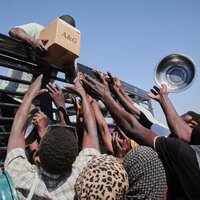


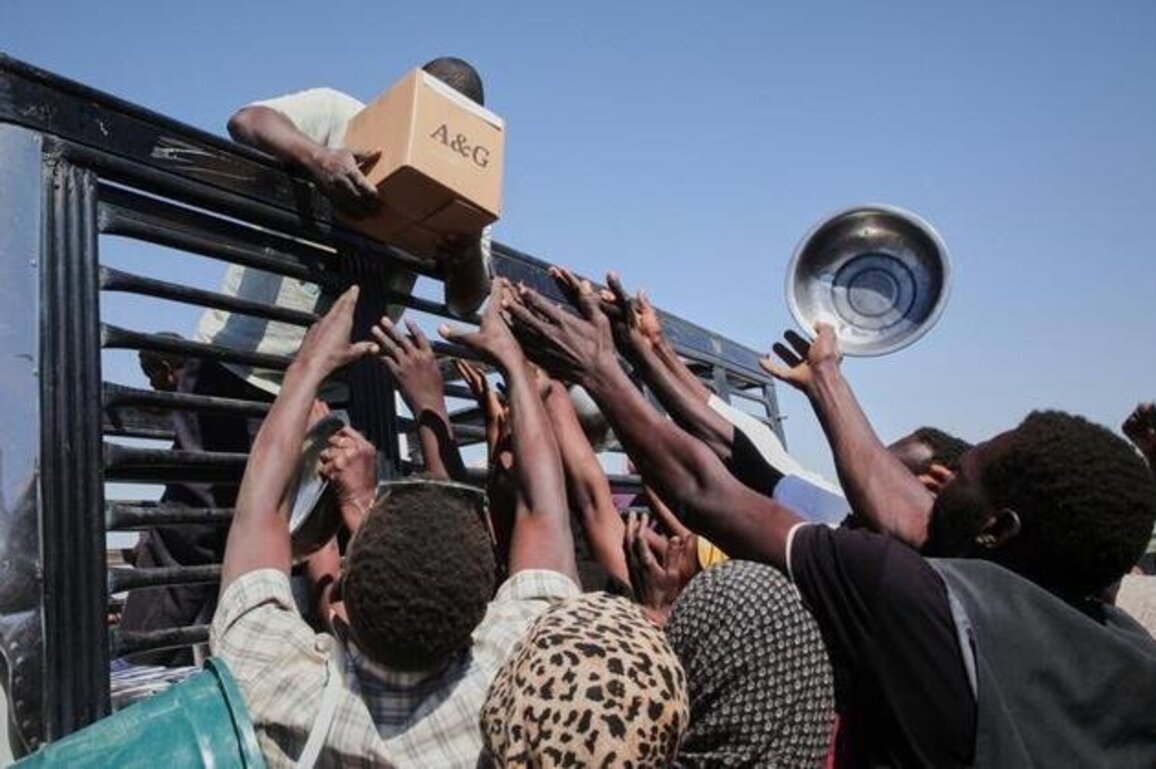
Food aid inSudanis set to run out by the end of March unless new funding is secured, theUnited Nations saidThursday, raising fears for millions caught up in the worlds largest hunger crisis.
Nearly three years of fighting between the army and paramilitaryRapid Support Forceshave lefttens of thousands dead, 11 million displaced and repeated attempts at peace blocked.
Read moreFirst UN visit to Sudan's El-Fasher finds traumatised civilians amid reports of mass atrocities
Efforts led by the US and regional mediatorsEgypt,Saudi Arabiaand theUnited Arab Emirates, known as the Quadhave failed to secure a ceasefire, as both sides wrestle for territorial gain.
A high-level meeting on Wednesday in Cairo brought together officials from the Quad countries, as well as theUN,European Unionand regional organisations to discuss peace efforts, which have seen little progress.
By the end of March, we will have depleted our food stocks in Sudan, said Ross Smith, the World Food Programmes Director of Emergency Preparedness and Response.
Without immediate additional funding, millions of people will be left without vital food assistance within weeks.
According to the UN, more than 21 million peoplealmost half of Sudans populationare now facing acute food insecurity, with two-thirds of the population in urgent need of assistance.
Visiting Dongola, the capital of Sudans Northern State, on Thursday, UN High Commissioner for Human Rights Volker Turk said many displaced people lack adequate shelter while women have limited access to support services.
He called for an all-out effort by both Sudanese authorities and the international community to enable the delivery of vital humanitarian aid.
The UNs children agencyUNICEFsaid last week that millions of children have been pushed to the brink of survival andhumanitarian aidremains far from sufficient amid funding shortfalls and ongoing hostilities.
Irresponsible aid cuts
In December, outgoing UN refugee chief Filippo Grandi said a wave of drastic, irresponsible aid cuts inflicted unnecessary suffering on those in need.
Smith said WFP has been forced to cut rations to the absolute minimum for survival and warned that previous hard-earned gains in hard-to-reach areas risk being reversed.
WFP says it urgently needs $700 million to continue its operations through June.
A UN-backed assessment confirmed last year that famine had taken hold in El-Fasher, the capital of NorthDarfur, which was overrun by the paramilitary forces in October.
On Wednesday, US senior advisor for Arab and African affairs Massad Boulos said the UN delivered more than 1.3 metric tons of humanitarian supplies to El-Fasher, the first such delivery since the city was besieged in May 2024.
But aid agencies warn that a deteriorating security situation across Darfur continues to jeopardise the delivery of desperately needed assistance.
Famine has also been confirmed in Kadugli, in neighbouring Kordofan, now a key battleground in the conflict.
In Dilling, around 130 kilometres north, the UN says civilians are likely experiencing famine conditions, though insecurity has prevented formal declaration.
The UN warned that 20 more areas across Darfur and Kordofan are at risk.
No new truce proposals on table
In November, US President Donald Trump pledged to help end the conflict after Saudi Arabias crown prince Mohammed bin Salman urged his intervention, but his promise has yet to materialise.
Quad-led talks have been deadlocked since army chiefAbdel Fattah al-Burhansaid in November the group was biased towards the UAE, which Sudan accuses of arming the RSF.
Abu Dhabi denies the accusations, despite reports from UN experts, US lawmakers and international organisations.
In Egypt, historically the Sudanese armys closest ally, the UN Secretary Generals Sudan envoy Ramtane Lamamra met Wednesday with Boulos and other diplomats as part of the fifth meeting of the Consultative Mechanism to Enhance and Coordinate Peace Efforts.
Lamamra called it a key and timely opportunity for international actors to align efforts and renew collective engagement, but a diplomatic source told AFP there are no new truce proposals currently on the table.
Egyptian Foreign Minister Badr Abdelatty said on Wednesday that there was a consensus on a humanitarian truce and the rejection of foreign interference.
But he also emphasised what he described as Egypts red lines and readiness to defend its southern neighbours territorial integrity.
(FRANCE 24 with AFP)
Originally published on France24